



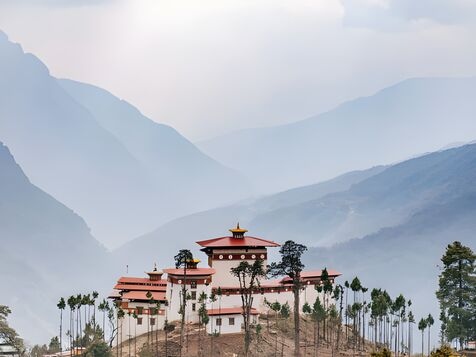
Bhutan is not a destination you simply visit. It is a place you slow down for. Tucked deep within the eastern Himalayas, this small Buddhist kingdom has deliberately chosen a path that protects its land, culture, and way of life. Instead of chasing volume tourism, Bhutan focuses on balance, sustainability, and meaningful travel. Snow-clad mountains, forested valleys, centuries-old monasteries, and deeply rooted traditions shape every journey here.
What truly sets Bhutan apart is how seamlessly spirituality, nature, and daily life blend. Prayer flags flutter on mountain passes, monks walk quietly through valleys, and ancient fortresses still function as living centres of administration and faith. Whether you are drawn by the mountains, the monasteries, or the promise of calm, Bhutan rewards travellers who take their time.
This guide covers the best places to visit in Bhutan, carefully selected to go beyond just the most popular stops. Along with iconic landmarks, it includes valleys, wildlife regions, cultural centres, and adventure routes that together offer a complete view of the country. These places to visit in Bhutan suit culture lovers, nature enthusiasts, photographers, adventure seekers, and travellers looking for serene escapes.
You will also find practical insights woven throughout, including seasonal considerations, altitude awareness, and travel styles. Bhutan’s terrain and climate vary significantly by region and month, so thoughtful planning is essential for a comfortable and enriching experience.
Top Tourist Places to Visit in Bhutan
1. Paro Valley & Paro Taktsang
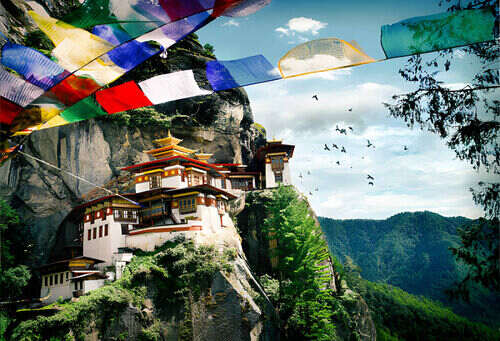
Paro Valley is both the literal and emotional gateway to Bhutan and one of the top tourist destinations in Bhutan. Surrounded by pine forests, rivers, and Himalayan peaks, it offers one of the most visually striking introductions to the country. Traditional farmhouses dot the valley floor, while monasteries cling to cliffs and ridgelines above.
Paro Taktsang, better known as Tiger’s Nest Monastery, stands as the most recognised landmark in the area. Built into a vertical cliff face, this sacred monastery is associated with Guru Rinpoche, who introduced Buddhism to Bhutan. Getting there requires a gradual walk along wooded paths, past prayer wheels and scenic mountain overlooks. The experience is as spiritual as it is scenic.
Paro’s cultural depth extends well beyond Tiger’s Nest. Rinpung Dzong dominates the valley with its massive wooden walls, serving as both a religious and administrative centre. Nearby, Kyichu Lhakhang is one of Bhutan’s oldest temples and a key pilgrimage site.
Best Time to Visit: March to May, September to November,
Ideal Weather: Cool, clear, and dry with excellent visibility
Why It Matters: Paro offers the perfect blend of spirituality, architecture, and Himalayan scenery, making it one of the best tourist places in Bhutan for first-time visitors.
2. Thimphu: Capital & Cultural Heart
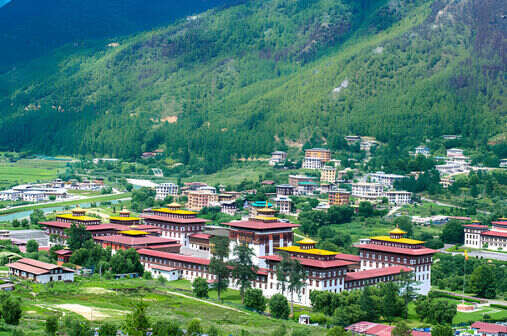
Thimphu may be the capital, but it feels refreshingly human in scale. There are no traffic lights, and traditional architecture is strictly preserved. Government offices, monasteries, markets, and homes coexist in a way that reflects Bhutan’s commitment to balance.
At the centre of Thimphu’s cultural and political life is Tashichho Dzong, an impressive fortress that houses government ministries and the monastic body. High above the city stands Buddha Dordenma, offering panoramic views of the valley and a strong sense of calm.
As one of the best places to visit in Bhutan, Thimphu offers a clear view into modern Bhutanese life. Local markets sell fresh produce and handicrafts, museums preserve traditional customs, and small cafés offer relaxed spaces to observe daily routines.
Best Time to Visit: March to May, September to November
Ideal Weather: Mild to cool, comfortable for walking
Why It Matters: Thimphu represents the cultural and administrative soul of Bhutan, making it one of the top tourist destinations in Bhutan.
3. Punakha: Valley of Rivers and Royal History
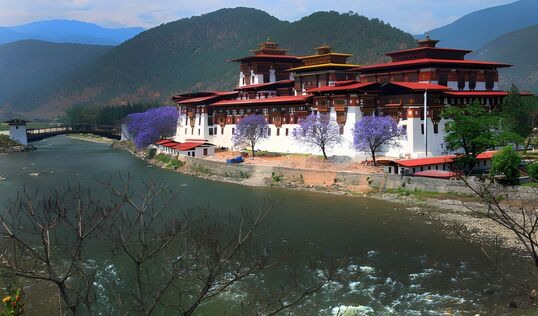
Punakha sits at a lower altitude, which gives it a warmer climate and lush landscapes. Once Bhutan’s capital, the valley still holds immense historical and religious importance.
The highlight is Punakha Dzong, set dramatically at the confluence of two rivers. Often regarded as the most beautiful dzong in the country, it reflects Bhutanese architectural elegance and spiritual symbolism. In spring, jacaranda trees bloom around the fortress, creating a striking contrast against the whitewashed walls.
The surrounding valley invites slow exploration. Chimi Lhakhang, reached via village paths and rice fields, adds insight into local beliefs and folklore.
Best Time to Visit: March to May, September to November
Ideal Weather: Pleasant and warmer than the higher regions
Why It Matters: Punakha offers peace, history, and scenic beauty, making it one of the best places to visit in Bhutan for relaxed cultural travel.
4. Phobjikha Valley: Wildlife and Wide Open Landscapes
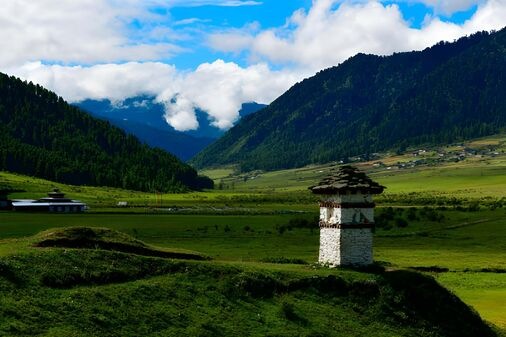
Phobjikha Valley is a vast glacial basin known for its quiet beauty and ecological importance. Unlike Bhutan’s steeper valleys, Phobjikha opens wide, offering uninterrupted views and a deep sense of space. The landscape feels expansive and calming, with long walking trails, scattered farmhouses, and minimal road traffic, making it ideal for travellers who value silence and open horizons.
The valley is famous for the seasonal arrival of endangered black-necked cranes, which migrate here during the winter months. Development is carefully limited to protect the ecosystem, with strict building guidelines and community-led conservation efforts. Gangteng Monastery overlooks the valley and serves as both a spiritual centre and a cultural anchor, connecting local life with centuries-old traditions.
Best Time to Visit: April to May, October to December
Ideal Weather: Cold but clear
Why It Matters: One of the best tourist places in Bhutan for wildlife lovers and travellers seeking stillness.
5. Bumthang Valley – Sacred Heart of Bhutan
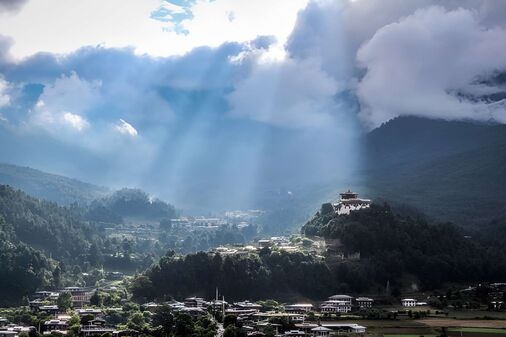
Bumthang Valley is often described as the spiritual core of the country and is considered one of the best places to visit in Bhutan for travellers drawn to heritage and faith. Comprising four interconnected valleys, Bumthang is rich in legends, sacred sites, and ancient monasteries linked to the early spread of Buddhism in Bhutan. The region carries a deeply contemplative atmosphere, where faith, folklore, and daily life remain closely intertwined.
Many of Bhutan’s earliest Buddhist temples are found here, alongside traditional villages and farmlands that preserve age-old agricultural practices. Jakar Dzong rises over the valley, showing its long-standing role as both a spiritual and governing hub. Slow-paced exploration here allows travellers to connect with Bhutan’s spiritual roots at a deeper level.
Best Time to Visit: March to May, September to November, December to February
Ideal Weather: Mild summers, cold winters with clear skies
Why It Matters: Bumthang suits travellers seeking spiritual depth, cultural immersion, and quiet landscapes.
6. Chele La Pass: High-Altitude Himalayan Beauty
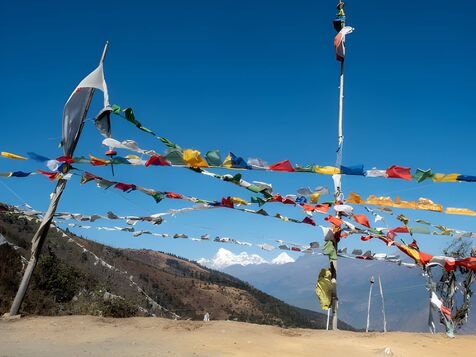
Rising to nearly 4,000 meters, Chele La Pass connects Paro and Haa valleys and stands out as one of the best places to visit in Bhutan for high-altitude scenery. The drive itself is an experience, passing through forests, alpine meadows, and prayer-flag-lined viewpoints that change dramatically with the seasons. The sense of elevation becomes more pronounced as the air cools and vegetation thins.
On clear days, snow-covered Himalayan peaks dominate the horizon, creating one of Bhutan’s most dramatic landscapes. The pass offers short stops for photography and reflection, making it accessible even for travellers who prefer scenic drives over physical trekking.
Best Time to Visit: March to May, September to November
Ideal Weather: Cold, crisp air with high visibility
Why It Matters: Chele La offers Himalayan grandeur without long treks.
7. Haa Valley: Remote and Traditional
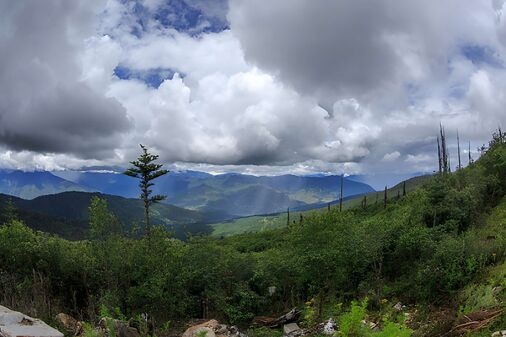
Haa Valley remains largely untouched by mainstream tourism and is considered one of the best places to visit in Bhutan for travellers seeking authenticity. Small villages, traditional homes, and grazing pastures define the valley, preserving a way of life that has changed little over generations. The region feels intimate and personal, with strong community ties and a slow daily rhythm.
Haa is ideal for walking, cultural exchange, and experiencing daily rural life through village visits and local interactions. Evenings are quiet, with mountain air, limited artificial light, and clear night skies that enhance the valley’s sense of isolation and calm.
Best Time to Visit: April to May, September to October
Ideal Weather: Cool days and cold nights
Why It Matters: It is one of the best places to visit in Bhutan for travellers seeking authenticity and solitude.
8. Trongsa: Historic Central Bhutan
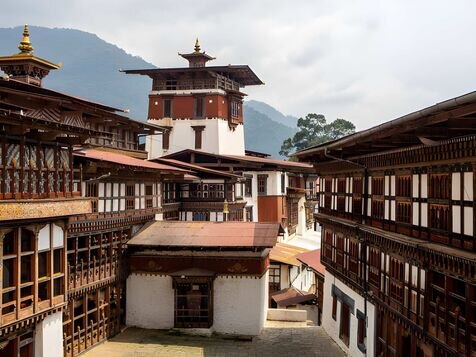
Trongsa Dzong is perched on a ridge above deep gorges, offering sweeping views of central Bhutan’s rugged landforms. Historically, controlling Trongsa meant controlling Bhutan’s east-west trade routes, giving the area immense political and strategic importance throughout history.
The town provides insight into Bhutan’s royal lineage, as it is closely linked to the country’s monarchy. Its central location also makes it a natural transition point between western and eastern Bhutan, both culturally and geographically.
Best Time to Visit: November to March
Ideal Weather: Cold but dry, clearer views in winter
Why It Matters: Adds historical depth and geographic context.
9. Bumdeling Wildlife Sanctuary: Eastern Bhutan’s Wilderness
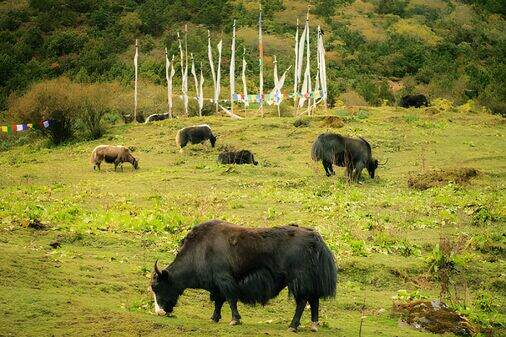
Bumdeling Wildlife Sanctuary lies in the lesser-visited east, far from the usual travel circuits, and stands among the best places to visit in Bhutan for travellers drawn to remote wilderness. Dense forests, high-altitude meadows, and seasonal rhododendron blooms define the area, creating a rich and varied natural environment throughout the year.
Wildlife, birdlife, and small communities coexist here, offering travellers a raw, immersive experience. The sanctuary supports rare species and traditional lifestyles, making visits feel more exploratory and less structured than Western Bhutan destinations.
Best Time to Visit: March to May, November to February
Ideal Weather: Cool and dry, colder at higher elevations
Why It Matters: Shows Bhutan beyond popular tourist circuits.
10. Jigme Dorji National Park: Himalayan Wilderness
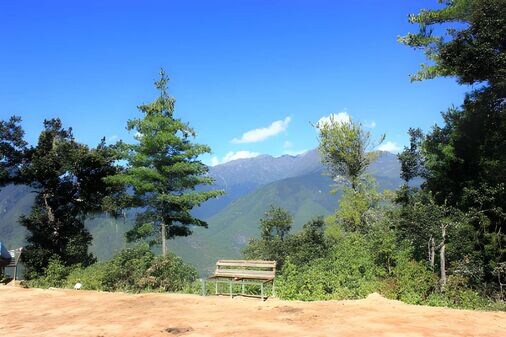
Jigme Dorji National Park is one of Bhutan’s largest protected areas and ranks among the best places to visit in Bhutan for travellers seeking Himalayan wilderness. It spans alpine zones, forests, and snow-capped peaks, including the sacred Mount Jomolhari, which holds religious and cultural significance for Bhutanese communities.
Trekking routes here pass through remote villages and pristine landscapes, offering encounters with untouched nature and traditional highland life. The park’s vast scale makes it ideal for travellers seeking extended time in the Himalayan wilderness.
Best Time to Visit: March to May, September to November
Ideal Weather: Cool and stable for trekking
Why It Matters: Among the top tourist destinations in Bhutan for serious nature and adventure travel.
11. Haa–Paro Trek (Sagala Trek)
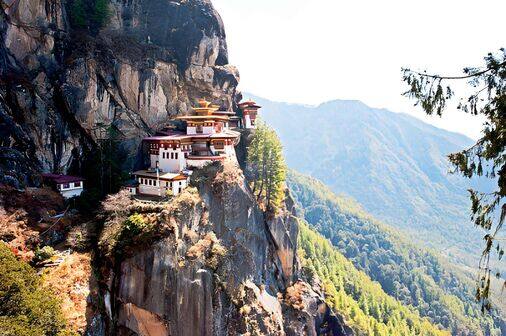
The Haa–Paro trek and similar routes are counted among the best places to visit in Bhutan for travellers seeking immersive journeys through forests, mountain passes, and isolated settlements. These journeys reward effort with unmatched scenery and cultural interaction that goes beyond surface-level sightseeing.
Trekkers experience changing landscapes, traditional highland camps, and close contact with local life along the route. These trails highlight Bhutan’s raw terrain while maintaining a strong connection to community and tradition.
Best Time to Visit: March to May, September to November
Ideal Weather: Clear days, cold nights at altitude
Why It Matters: Ideal for travellers who want adventure and depth beyond sightseeing.
Cultural & Heritage Route: Dzongs, Monasteries & Living Tradition
Paro, Thimphu, Punakha, and Bumthang together form a powerful cultural route. Dzongs function not just as monuments but as living centres of governance and religion, actively shaping modern Bhutanese life. Visiting multiple sites reveals regional variations in architecture, rituals, and community practices. Festivals, when timed right, add another layer of insight into Bhutan’s living traditions.
Off-the-Beaten-Path Eastern Bhutan Experiences
Eastern Bhutan rewards patience. Remote valleys, forest trails, village homestays, and traditional crafts offer a deeper connection to the land and its people. Travel here is slower and more immersive, often involving longer drives and simple comforts. These areas suit travellers who value meaningful interaction, cultural learning, and unfiltered rural experiences.
Combined Itinerary Ideas & Travel Styles
- Culture + Mountains: Paro → Thimphu → Punakha — ideal for first-time visitors seeking heritage and scenery.
- Nature + Wildlife: Phobjikha → Jigme Dorji → Eastern Bhutan — focused on landscapes and biodiversity.
- Adventure Routes: Chele La → Haa Valley → Bumthang — suited for active, curious travellers.
- Heritage & Easy Pace: Dzongs, monasteries, valley towns — relaxed travel with cultural depth.
Practical Travel Notes
- Altitudes range from 2,000 to over 4,000 meters
- Bhutan requires permits and guided travel
- Places to visit in Bhutan in May offer clear skies and blooming landscapes
- Festivals vary by region and season
Frequently Asked Questions About Visiting Bhutan
What are the best places to visit in Bhutan for first‑time travellers?
For first‑time travellers, iconic destinations like Paro Valley with Tiger’s Nest Monastery, the capital Thimphu, Punakha Dzong, and Bumthang Valley offer a mix of culture, history, and Himalayan scenery that defines Bhutan’s essence.
When is the best time to visit Bhutan?
The best time to visit Bhutan is during spring (March to May) and autumn (September to November), when the weather is pleasant, visibility is clear for mountain views, and many cultural festivals take place.
Do I need a visa or a tour operator to travel in Bhutan?
Yes, most visitors need a visa to enter Bhutan. Travelling with a licensed guide or accredited tour operator is recommended, as they arrange permits, transportation, and cultural experiences for a smooth trip.
What are some unique or off‑the‑beaten‑path places to visit in Bhutan?
Beyond the mainstream valleys, places like Haa Valley, Phobjikha Valley, Bumdeling Wildlife Sanctuary, and eastern regions like Trashigang or Lhuentse offer quieter experiences and authentic cultural encounters.
How many days should I spend in Bhutan to experience it well?
A 7–10 day itinerary is ideal to cover major destinations such as Paro, Thimphu, Punakha, Phobjikha, and Bumthang, while allowing time for high‑altitude drives and cultural immersion. Longer trips (10+ days) let you explore eastern and remote regions.
What are some family‑friendly places to visit in Bhutan?
Bhutan is family‑friendly with destinations like Paro, Thimphu, and Punakha, offering easy sightseeing, gentle walks, cultural experiences, and scenic views suitable for travellers of all ages.
Conclusion
These best places to visit in Bhutan reveal a country that values balance over speed and meaning over excess. From sacred monasteries to untouched wilderness, Bhutan offers travel that stays with you long after you return.
To experience Bhutan with comfort, insight, and thoughtful pacing, plan your journey with an experienced luxury travel consultant. With expert guidance, Bhutan becomes not just a destination, but a deeply rewarding experience shaped around you.
Plan Your Perfect Bhutan Getaway with a Luxury Travel Consultant
Bhutan rewards thoughtful planning. Routes change with seasons, altitude affects comfort, and access depends on permits and local knowledge. That is where working with a luxury travel consultant makes a real difference. Instead of fixed packages, you get a Bhutan plan shaped around your pace, interests, and comfort level.
Whether you want quiet valley stays, meaningful monastery visits, gentle scenic drives, or selective adventure, every detail matters. From choosing the right time to visit Paro or Punakha to deciding how long to stay in Bumthang or Phobjikha, expert guidance helps avoid rushed days and missed experiences. Accommodation selection, road timing, acclimatisation planning, and cultural sensitivity are all handled with care.
A seasoned luxury travel consultant ensures smooth permits, trusted local support, and well-balanced days that respect Bhutan’s rhythm. If you want a refined, calm, and deeply rewarding Bhutan experience without guesswork, this is the smartest way to begin. Start planning with confidence and let Bhutan unfold at its own pace, designed just for you.